Posted in BCBS (Various States), Training, Updates

BCBS Nevada Medicare Advantage Group Retiree Plans information

Group Retiree Medicare Advantage has two plans PPO and National Access Plus. These plans are offered through Anthem BCBS (Anthem).

Below please find the FAQs regarding these 2 plans:


What does Anthem BCBS Nevada Group Retiree Medicare Advantage PPO and National Access Plus Plans may include?

Group Retiree Medicare Advantage memberships may include the National Access Plus benefit, which allows retirees to receive services from any provider, as long as the provider is eligible to receive payments from Medicare and accepts the member’s PPO plan.


Extra services that traditional Medicare does not cover?

The PPO plans also offer benefits that original Medicare doesn’t cover, including an annual routine physical exam, hearing, vision, chiropractic care, acupuncture, LiveHealth Online* and SilverSneakers®.*


Anthem Medicare Preferred (PPO):
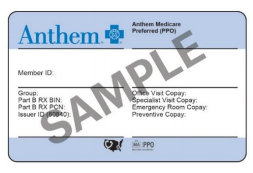
Front of the card
Front of the card

Sample Mediblue Freedom (PPO) Plan cards:
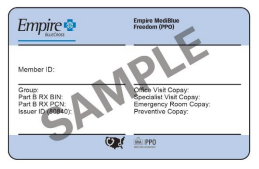
Front of the card
Front of the card

What are the alpha prefixes for Group Retiree Medicare Advantage PPO members?


Do I need to participate in the Medicare Advantage PPO network to see members with the
National Access Plus benefit?

No contract is required. You can still see your current patients and new patients who have one of the following Medicare Advantage PPO plans:
 Anthem Medicare Preferred (PPO)
 Empire MediBlue Freedom (PPO)


What is the payment rate for out-of-network providers who treat Medicare Advantage PPO
members with the National Access Plus benefit?
Out-of-network providers are paid Medicare allowable rates for covered services, less the member’s copay, coinsurance, and/or deductible.


Does the member have a higher copay if they see me as an out-of-network provider?The National Access Plus benefit allows retirees to receive services from any provider, as long as the provider is eligible to receive payments from Medicare. The member’s copay or coinsurance percentage will be the same whether his/her provider is in- or out-of-network. Whether local or nationwide, doctor or hospital, in- or out-of-network — the member’s cost share doesn’t change. If the member is in one of our PPO plans but the plan does not include the National Access Plus benefit, the member could have a higher copay. Please check member eligibility and benefits to verify the cost share.


How does a provider file claims for Medicare Advantage PPO members with or without the National Access Plus benefit?
Providers may submit claims electronically using the electronic payer ID for the Anthem plan in their state or submit a UB-04 or CMS-1500 form to the Anthem plan in their state. Claims should not be filed with original Medicare. You can file a claim:

  1. Online at availity.com.
  2. Via mail by sending it to the medical claims and inquiries filing address on the back of the member’s ID
    card.

I do not participate in the Medicare Advantage PPO network. I am waiting to hear if a PA
request is approved. Should I ask the member to reschedule or postpone the appointment
until I have confirmation that my PA request is approved?

Non-contracted providers are not required to request PA, but we recommend that you do so to ensure we can assist you with any questions or issues. Anthem will work with providers to approve PAs so members do not postpone appointments.


Are referrals required?
No, members are not required to obtain a referral before they see a provider.


For a complete list of FAQs, including Utilization Management/Prior Authorization process information, please click here for a pdf attachment.

Find this blog informative? Then check out my latest blogs below:

Posted in BCBS (Various States), Training, Updates

BCBS Nevada Medicaid Plans: Palliative Care New Partner

Effective 03/01/2021- Aspire Health, an independent company, will start to provide telephonic palliative care services on behalf of Anthem Blue Cross and Blue Shield Healthcare Solutions, for BCBS Nevada Medicaid Patients.

What is Aspire Health?

Aspire offers a solution to the fragmented and expensive care that patients so often experience during the last chapter of life. Aspire helps patients to increase their overall comfort, increase their satisfaction with both their PCP and their health plan, minimize the risk of unnecessary or unwanted hospitalizations, and help ensure patients receive care aligned with their goals and values.

What does Aspire Health offer?

Aspire offers palliative services through two modalities, dependent upon the county where the patient resides:

  1. Nurse Practitioner-led, home-based program
  2. Palliative Social Worker-led telephonic program.

Both programs include wraparound support from a specialized interdisciplinary team with 24/7 on-call support and the oversight of Aspire’s lead physicians to enhance care to patients and families, personalize their experience, and facilitate timely intervention.


Through patient and caregiver education and expert symptom management, Aspire’s intervention is designed to align medical care with each patient’s goals and minimize unnecessary emergency department visits and hospitalizations, thus impacting care quality and driving value to patients, families, and referring physicians.

What type of patient would need services that Aspire health offers?

Patients that would require services from Aspire Health is typically the sickest. The patients may confront multiple illnesses, such as chronic heart failure, chronic obstructive pulmonary disease, advanced cancers, dementia, geriatric frailty, chronic or end-stage renal disease, chronic liver disease, cerebrovascular accidents, and other neurologic illnesses. These patients also have high utilization costs and may see multiple providers or frequently seek uncoordinated care in emergency rooms and hospitals.

The patients may have limited family support or family caregivers with their own health concerns. The confluence of these factors often results in frequent hospitalizations for uncontrolled symptoms and/or exacerbations of chronic disease.


What if I need more information?

More information is available at aspirehealthcare.com or by calling the 24/7 Patient and Referral Hotline at 1-844-232-0500.

#palliativecare, #bcbsnv, #medicaid, #aspirehealth


Find this post helpful? Check out other helpful FREE blog posts:

Posted in BCBS (Various States), Training, Updates

BCBS Federal Plan: DEXA Policy 06/01/2021

This is a the most current reimbursement/medical policy that becomes effective as of 06/01/2021

According to BCBS Federal Plan the initial measurement of central (hip/spine) BMD using dual x-ray absorptiometry (DXA) may be considered medically necessary to assess future fracture risk and the need for pharmacologic therapy in both women and men who are considered at risk for osteoporosis.


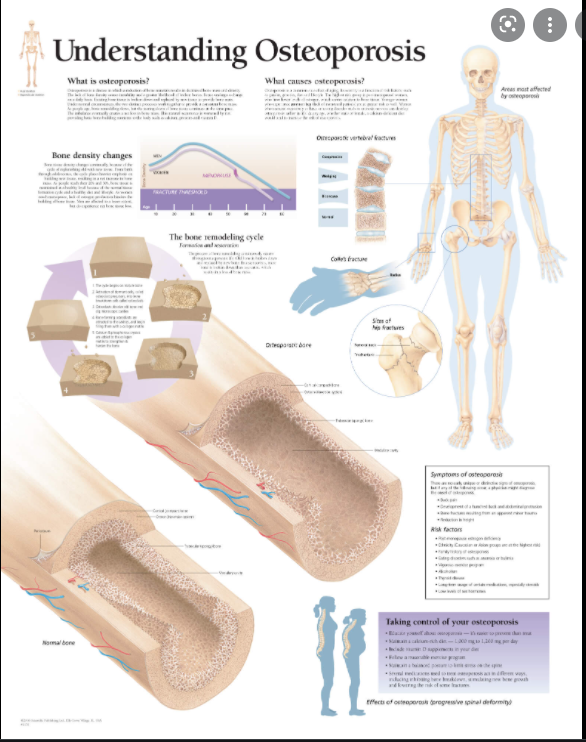
Picture via Verywell Health.

Both men and women with the following conditions may have an indication for BMD:

  • Women age 65 and older, independent of other risk factors;
  • Men age 70 and older, independent of other risk factors;
  • Younger postmenopausal women with an elevated risk factor assessment; (see policy guidelines)
  • Men age 50 to 70 with an elevated risk factor assessment; (see policy guidelines)
  • Adults with a pathologic condition associated with low bone mass or increased bone loss;
  • Adults taking a medication associated with increased bone loss.

Picture via Scientific Publishing

Patients who have previously tested negative should not be tested again in the intervals no more than 3 to 5 years; the interval depends on an updated patient fracture risk assessment


Patients who fall in the following categories qualify for a repeat BMD for interval not more frequent than every 1-2 years:

  • Individuals with a baseline evaluation of osteopenia (BMD T- score -1.0 to -2.5)
  • Adults with a pathologic condition associated with low bone mass or increased bone loss;
  • Adults taking a medication associated with increased bone loss.

Patients who are receiving pharmacologic treatment for osteoporosis when the information will affect treatment decisions (continuation, change in drug therapy, cessation or resumption of drug therapy, BMD using dual x-ray absorptiometry may be considered medically necessary at an interval not more frequent than every 1-3 years.


Peripheral (lower arm, wrist, finger or heel) BMD testing may be considered medically necessary when conventional central (hip/spine) DXA screening is not feasible or in the management of hyperparathyroidism, where peripheral DXA at the forearm (i.e., radius) is essential for evaluation.


NON COVERED SERVICES:

BMD measurement using ultrasound densitometry is considered not medically necessary.

BMD measurement using quantitative computed tomography is considered investigational.


IF you would like to read the entire policy you can find it on fepblue.org Hope you found the outline of this policy helpful.


Find this information helpful? Follow my blog for more FREE medical billing and medical coding training.


MY RECENT POSTS: