This is a the most current reimbursement/medical policy that becomes effective as of 06/01/2021
According to BCBS Federal Plan the initial measurement of central (hip/spine) BMD using dual x-ray absorptiometry (DXA) may be considered medically necessary to assess future fracture risk and the need for pharmacologic therapy in both women and men who are considered at risk for osteoporosis.
Picture via Verywell Health.
Bothmen and women with the following conditions may have an indication for BMD:
Women age 65 and older, independent of other risk factors;
Men age 70 and older, independent of other risk factors;
Younger postmenopausal women with an elevated risk factor assessment; (see policy guidelines)
Men age 50 to 70 with an elevated risk factor assessment; (see policy guidelines)
Adults with a pathologic condition associated with low bone mass or increased bone loss;
Adults taking a medication associated with increased bone loss.
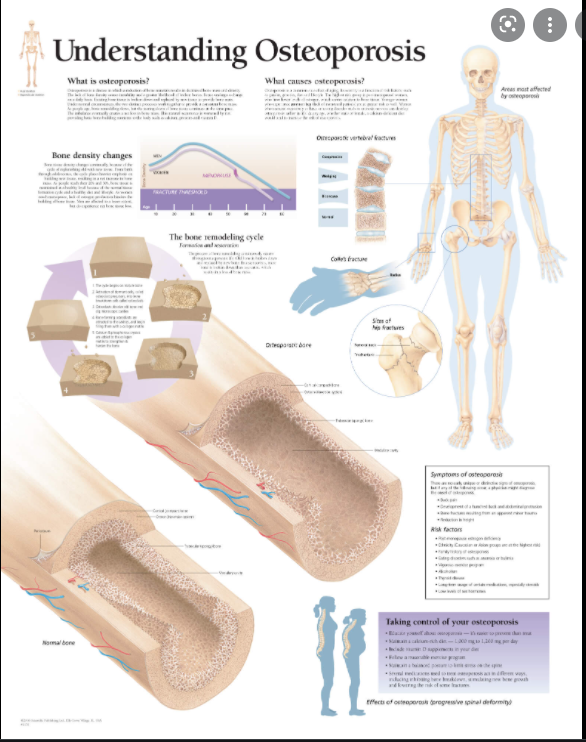
Picture via Scientific Publishing
Patients who have previously tested negative should not be tested again in the intervals no more than 3 to 5 years; the interval depends on an updated patient fracture risk assessment
Patients who fall in the following categories qualify for a repeat BMD for interval not more frequent than every 1-2 years:
Individuals with a baseline evaluation of osteopenia (BMD T- score -1.0 to -2.5)
Adults with a pathologic condition associated with low bone mass or increased bone loss;
Adults taking a medication associated with increased bone loss.
Patients who are receiving pharmacologic treatment for osteoporosis when the information will affect treatment decisions (continuation, change in drug therapy, cessation or resumption of drug therapy, BMD using dual x-ray absorptiometry may be considered medically necessary at an interval not more frequent than every 1-3 years.
Peripheral (lower arm, wrist, finger or heel) BMD testing may be considered medically necessary when conventional central (hip/spine) DXA screening is not feasible or in the management of hyperparathyroidism, where peripheral DXA at the forearm (i.e., radius) is essential for evaluation.
NON COVERED SERVICES:
BMD measurement using ultrasound densitometry is considered not medically necessary.
BMD measurement using quantitative computed tomography is considered investigational.
IF you would like to read the entire policy you can find it on fepblue.org Hope you found the outline of this policy helpful.
Find this information helpful? Follow my blog for more FREE medical billing and medical coding training.



 KR2 Medical Billing